Posts

3D Printing

3D Printing 3D printing, also known as additive manufacturing is a process of making any 3 dimensional shape by printing multiple layers of material successively. This is done by using a virtual model of the required shape. This process is a practical example of mathematical integration in which an equation of two variables is integrated along the third variable. In the same way, the 3 dimensional printing machine lays down thin layers of material successively, one after the other to produce a volume of desired shape. This can be easily understood with the example of a book whose pages have been pasted to each other. 3D printing is opposite to other machining processes in which material is removed from a block to produce a desired shape. The advantage with 3D printing over other processes is that it can produce even the most complicated shapes with extremely high accuracy and unlike other processes, no further machining is required in this case, however complicated or intrinsic t...
Jatropha

Image
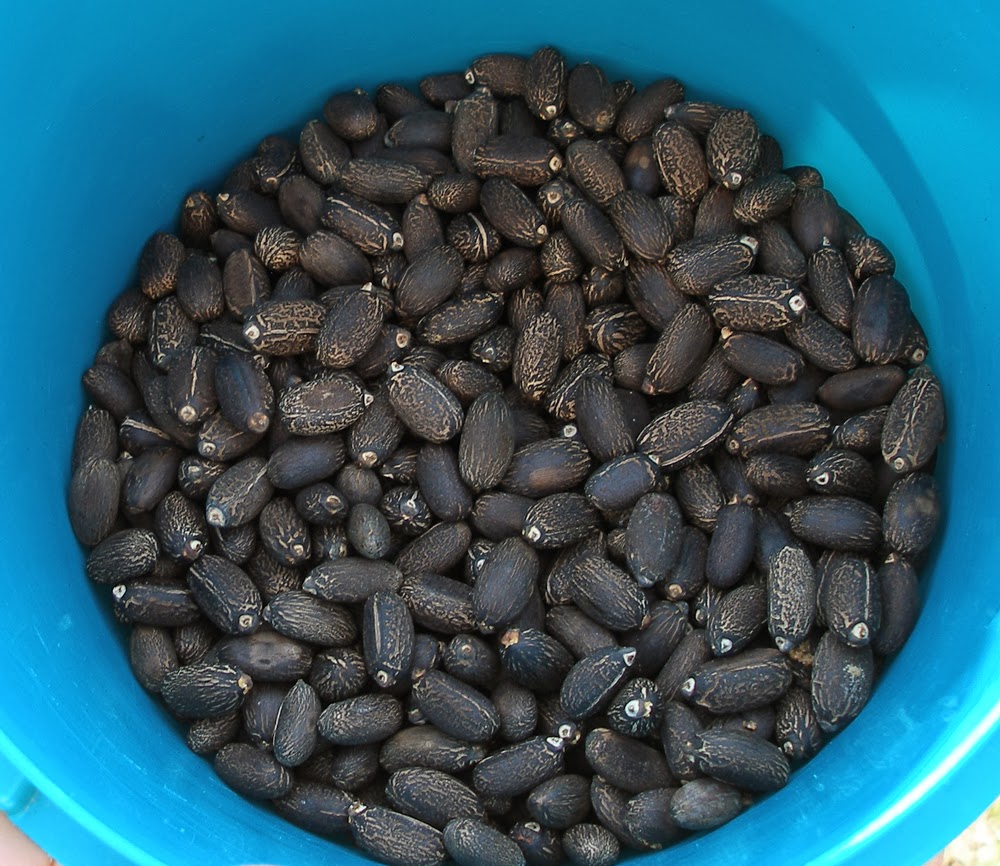
Jatropha Jatropha is a semi evergreen shrub which can be grown in almost all regions. It produces seeds which can be processed to extract biodiesel which may be directly used in any diesel engine car or can be further processed to produce jet fuel. This plant is native to America and is generally found in Mexico and Central America. Its cultivation is very easy as it can be grown in deserts too. It doesn’t need much care to be cultivated as it is toxic in nature and is pest and weed resistant. Due to these properties, jatropha has a high potential to be used as a major source of biodiesel in future. Jatropha seeds contain 27% to 40% oil (average 34.4 %) and can be easily extracted by crushing the seeds. The residue left after extraction is not thrown as waste because it is also useful in number of ways. It can be used to feed animals and fishes after proper intoxication, it can also be used to produce biogas, high quality organic fertilizer, high quality organic pesticide....

Equinox

Image
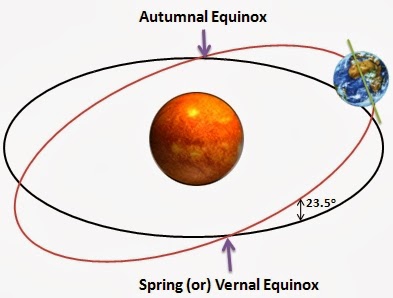
Equinox Equinox is an event which occurs twice a year when the day and night are equal at all the places on earth. It occurs at around 20 th of March and 22 nd of September. At this time the sun is exactly above the celestial equator. At the time of equinox, all places receive sunlight and experience dark for exactly equal time. The earth is tilted at an angle of 23.5 0 about its axis. We think that the sun rises exactly in the east and sets in the west but it is not true except that for equinox. From 21 st march to 21 st September, the sun is in the higher excursion relative to the celestial equator, thus the direction of sun rise and sun set are sifted towards north. During this period, days are longer and nights are shorter in northern hemisphere and vice versa in southern hemisphere. Exactly opposite phenomenon happens from 23 rd September to 19 th of March when the sun is in the lower excursion. Theoretically the day and night are exactly equal on the equinox but n...

Bio plastics: the “eco-friendly” way to save Earth

Image
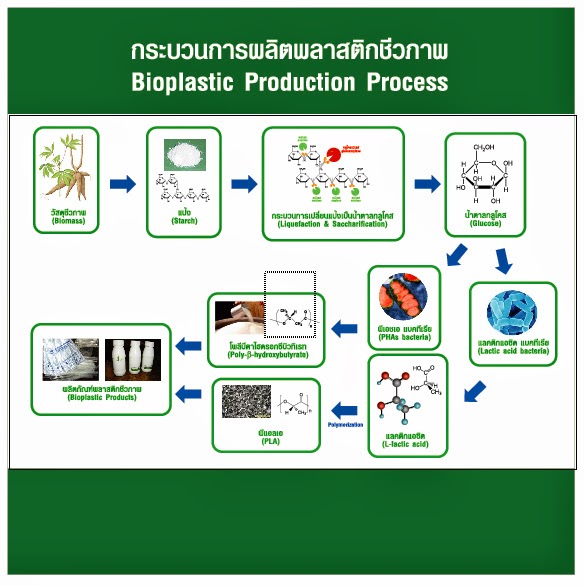
Bio plastics:  the “eco-friendly” way to save Earth In today’s world, where everything is changing at a fast pace, words like “biodegradable”, “eco-friendly” and “green” are emerging to be the new mantra for saving our dying planet from the plight of accumulating heaps of waste and non-recyclable materials. These words are becoming the new statement today and are finding place in every package that we carry from; from a compostable coffee mug to a mineral water bottle that we drink water in. plastics are the most hazardous form of waste material that, in spite of their countless uses, have become the headache of scientists and environment experts around the world. The most dangerous property of plastics is that they do not degrade easily in environment through natural and eco-friendly ways. The only way to decompose them is through large incinerators wherein plastics are burnt in a closed space in the presence of oxygen. But, the process liberates a large amount of lethal g...

Self-Cleaning Surfaces

Self-Cleaning Surfaces Self-cleaning materials have a great deal of attention lately, both in research and commercial applications because of their huge potential applications and benefits. The advantages range from reducing maintenance cost to protection from environmental pollution.   The ultimate consequence in developing the self cleaning fabrics is that use of things like chemicals, energy, manpower and water can really be limited The examples include paints, glasses, ceramics, plastics, metal surfaces, tiles and textiles, etc. Already, the shirts, blouses, skirts and trousers have been developed which shrug off ketchup, mustard, red wine and coffee stains. Also, the tiles , glasses and paints are also in market. To realize self-cleaning material surfaces two alternative principal ways have been applied: the development of super hydrophobic or the development of superhydrophilic surfaces. The lotus’s self cleaning effect stems from its surface being extremely hydrophob...

Biogenic Silica: An Inspiration to Nanotechnology

Biogenic Silica: An Inspiration to Nanotechnology Silica is an inorganic amorphous oxide formed by polymerization processes and makes up opal phytoliths in plants.  Opal phytoliths are one of several kinds of natural artifacts formed by nature to preserve its most beautiful creations in a green and environmental friendly way. The presence of biogenic silica during the life cycle of a plant is dependent on the uptake of monosilicic acid from groundwater, its super saturation, polymerization and subsequent deposition as amorphous, hydrated, polymerized silicic acid at sites within the inter- or intra-cellular vegetative structure of a plant, resulting in three-dimensional positive or negative forms. These phytoliths may remain on the ground surface to become incorporated into the soil horizon and subsequently be buried to form part of the stratigraphic matrix. These buried phytoliths survive well in many environments, so they can inform on past vegetation and are particula...

Electric discharge machine

Image
Electric discharge machine Electric discharge machine is a non-conventional method of machining complex shapes which are very difficult to be formed with equal accuracy with any other method. This method doesn’t need any hardened expensive tool or enormous pressure to cast a shape in steel, rather it incorporates high current electricity and a cathode of the same shape and size of the pattern to be formed to cast the required shape in the metal. Against other methods where tool used is of higher hardness and strength than the material to be cast, this machine uses cathodes of lower hardness and strength then that of the material to be machined. Generally, cathodes used are made up of either graphite or cooper or aluminum. The most important qualities required to select the material of electrode is that it must be highly conductive, must possess higher electronegativity than the material to be cast and must be soft so that it can be easily machined into different shapes. An el...